When Your Favorite Celebrity Quits and It Feels Like a Personal Betrayal
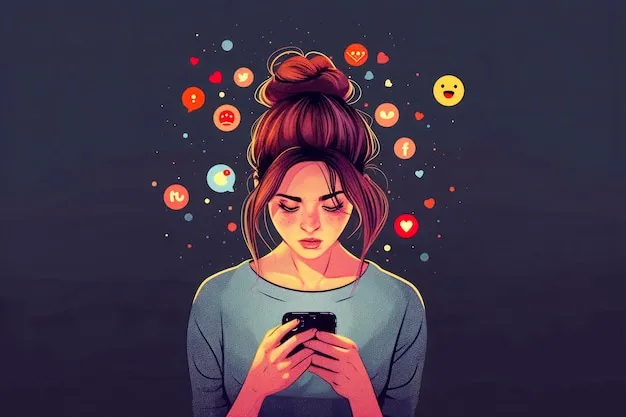
Photo: person looking at phone with emotional expression social media fan, via img.freepik.com
You're scrolling Twitter — sorry, X — on a random Tuesday morning, coffee in hand, and then you see it. Your favorite artist just announced an indefinite hiatus. Or a beloved actor is retiring. Or the creator who basically soundtracked your entire pandemic is stepping away from social media. And suddenly, inexplicably, you feel it in your chest.
Not mild disappointment. Not a casual "aw, that's too bad." We're talking genuine grief. The kind that makes you close your phone, stare at the ceiling, and wonder why you're this upset about someone who doesn't know your name.
Welcome to the parasocial breakup — one of the strangest emotional phenomena the internet age has handed us, and one that's only getting weirder.
It's Not "Just" Being a Fan
Let's get one thing straight: dismissing this as people being "too obsessed" or "parasocial weirdos" completely misses the point. Parasocial relationships — one-sided emotional bonds between an audience member and a public figure — are a deeply human response to prolonged exposure and perceived intimacy. Psychologists have studied them since the 1950s, long before TikTok made it possible to watch someone brush their teeth every morning.
What social media did was supercharge the whole thing. When a celebrity used to be distant and curated — press releases, red carpets, scripted interviews — the relationship stayed relatively surface-level. But now? You watch them argue with their siblings on Instagram Live. You see their messy kitchen. You know their dog's name, their childhood trauma, their coffee order. The brain, which hasn't exactly evolved to handle this level of simulated closeness, starts filing that person under "someone I actually know."
So when they leave? The brain processes it like a loss. Because as far as your nervous system is concerned, it kind of is.
The Fandom Meltdown Files
The internet has given us some genuinely staggering case studies in parasocial grief. When Zayn Malik left One Direction in 2015, the fan response wasn't just dramatic — it was documented, archived, and mourned in real time across every platform imaginable. Fans created tribute videos. People cried on camera. One viral tweet at the time compared the moment to a national tragedy, which, yes, was hyperbolic, but also kind of illustrates exactly how visceral the response was.
More recently, when Taylor Swift announced the end of an era (any era, honestly — she's basically weaponized era transitions at this point), the Swifties didn't just accept it and move on. They processed it communally, publicly, and with an emotional intensity that most people reserve for actual life events. Reddit threads became grief support groups. Fan accounts posted "what this era meant to me" essays that ran thousands of words long.
Or look at what happened when popular YouTubers and streamers have gone on hiatus or quit outright. Dream, Markiplier, even smaller creators with tight-knit communities — when they step back, comment sections turn into something resembling a vigil. The language fans use is telling: "I feel abandoned." "This feels like losing a friend." "I don't know what to do with myself."
That's not hyperbole for the sake of drama. That's a real emotional response being articulated the only way people know how.
Social Media Turned Private Heartbreak Into a Group Project
Here's where it gets genuinely fascinating — and a little uncomfortable. Before social media, if you were devastated that your favorite band broke up, you processed that mostly alone or maybe with a friend who got it. The grief was real, but it was private. Contained.
Now, the moment a celebrity announces anything, the collective response is instantaneous and public. Grief becomes performance becomes content. And that's not necessarily cynical — sometimes it's genuinely communal and healing. Fan communities can be remarkable support systems. But there's also a strange feedback loop happening, where expressing how devastated you are becomes a way of demonstrating how devoted a fan you are. The more publicly you grieve, the more you belong.
That turns the parasocial breakup into something performative — not fake, exactly, but amplified and shaped by the audience watching you grieve. You're not just sad. You're sad on camera, which changes the emotional texture of the whole thing.
What This Says About Fame in 2024
The parasocial breakup phenomenon reveals something uncomfortable about how we've restructured our relationship with fame. Celebrities — especially the ones who built their audiences through authenticity and accessibility — have essentially signed an unspoken contract with their fans. "I'll let you in, and in return, you'll show up for me."
When they leave, it feels like a contract violation. Like someone changed the terms without asking. And because so much of the modern celebrity-fan relationship is built on the illusion of mutual connection, the departure hits harder than it logically should.
There's also something worth noting about what parasocial grief says about the actual relationships in our lives. Researchers have found that people who struggle with loneliness or social anxiety are more likely to form intense parasocial attachments. That's not a judgment — it's a symptom of something much larger about how isolated a lot of Americans feel, and how much of that gap is being filled by content creators and celebrities who feel like company.
You're Allowed to Feel It — Just Know What It Is
None of this is to say you shouldn't feel sad when someone you've followed for years steps away. That grief is real, even if the relationship wasn't mutual. The hours you spent watching, listening, and connecting with someone's work matter. The comfort you got from their presence was genuine.
But there's something clarifying about recognizing the parasocial breakup for what it is — a one-sided loss that your brain is processing like a two-sided one. That recognition doesn't make the feeling disappear, but it might help you understand why a stranger's career choice hit you harder than you expected.
And maybe it's worth asking what the grief is really about. Is it about them? Or is it about what their presence gave you — routine, comfort, a sense of belonging — and the quiet anxiety of losing it?
Because that's the thing about parasocial breakups that nobody really talks about: they're rarely just about the celebrity. They're about everything that celebrity quietly represented in your daily life. And that? That's worth sitting with for a minute — even if it started with a tweet you read on a random Tuesday morning.