That Trend Didn't Go Viral By Accident — Here's How to Tell When You're Being Played
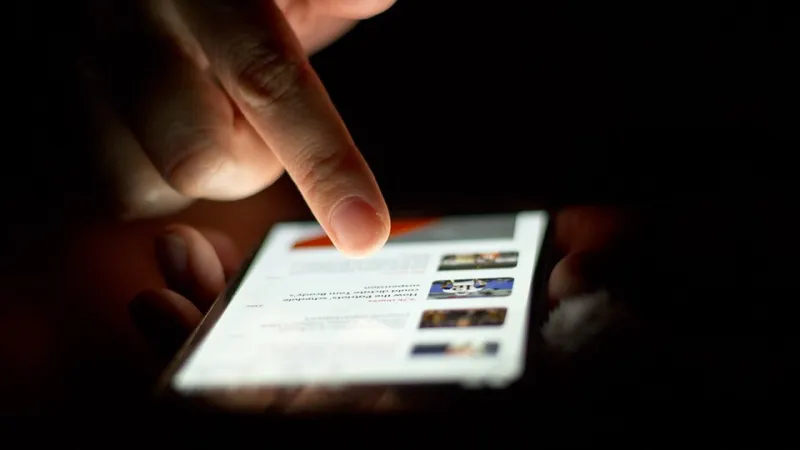
Photo: Japanexperterna.se, CC BY-SA 2.0, via Wikimedia Commons
Remember when that song seemed to come out of nowhere? One week you'd never heard of it, the next it was soundtracking every other video on your For You Page, showing up in morning show segments, and suddenly your coworker was humming it in the break room. Felt spontaneous, right? Felt like the internet just found something and collectively lost its mind.
Maybe. Or maybe you watched a $2 million influencer seeding campaign play out in real time and didn't notice.
Welcome to the era of manufactured virality — where the line between genuine cultural momentum and orchestrated marketing theater has never been harder to see.
The Machine Behind the Moment
The creator economy runs on the mythology of discovery. We love the idea that a teenager in their bedroom can post something and, through pure talent and timing, break through to millions of people. And that does happen. But it happens alongside something else: a sprawling, professionalized infrastructure built specifically to simulate that experience for products, artists, and studios that can afford to pay for it.
It works roughly like this. A label, studio, or brand identifies a piece of content — a song, a clip, a product — that they want to push. They contract with a network of mid-tier and micro-influencers (not always the biggest names, because those are too obviously promotional) to post "organic-feeling" content featuring it. The posts are staggered over days or weeks to mimic natural discovery patterns. Some creators are paid directly; others receive free product, early access, or vague promises of future collaboration. Many are contractually required not to disclose the arrangement.
The algorithm does the rest. Once a cluster of engagement forms around a piece of content, platforms amplify it. Real users pile on because it appears to already be trending. By the time it hits the mainstream, the seeding is invisible — buried under layers of genuine response.
Case Study: The Song That "Blew Up" on TikTok
This playbook got its clearest public exposure in the years following TikTok's rise to dominance in the US market. Music labels were early adopters of the strategy, and the results were undeniable — multiple tracks that had underperformed on traditional radio charts became genuine hits after coordinated TikTok campaigns.
The giveaways, in hindsight, were patterned. Multiple unconnected creators would post with the same audio within a 48-hour window, using slightly different video formats but hitting the same emotional beats. Comments sections would fill with variations of "why is this song everywhere suddenly" — a reaction that itself became part of the content loop, signaling trendiness to the algorithm.
What made it effective was that it recruited real people. Even if the first wave of posts was paid, the second and third waves were genuine users who'd actually heard the song and liked it. The manufactured spark lit a real fire. That's the design.
The "Sleeper Hit" Narrative as a PR Tool
Beyond music, the manufactured underdog story has become a whole genre of entertainment marketing. Studios and streaming platforms have gotten very good at planting the narrative of surprise success.
A show gets released with minimal fanfare. A few weeks later, pieces start appearing about how it's "quietly becoming Netflix's biggest hit" or how "word of mouth is driving an unexpected surge." Social media accounts for the show start reposting fan content with language that emphasizes grassroots discovery. The show may genuinely be good — that's not the point. The point is that the story of its success is being actively managed to feel bottom-up when it's actually top-down.
This matters because the underdog narrative is itself a marketing asset. People root for things that feel discovered rather than sold to them. Streaming platforms know this, which is why their PR teams work hard to frame even heavily promoted content as "hidden gems."
How to Actually Read the Room
So how do you develop some critical literacy around this stuff without becoming a paranoid contrarian who trusts nothing? A few things to watch for:
Simultaneous "independent" discovery. If five creators you follow who have no obvious connection to each other all post about the same thing within a short window, that's a pattern worth noticing. Genuine organic discovery tends to spread more slowly and unevenly.
Vague or absent disclosure. The FTC requires influencers to disclose paid partnerships, but enforcement is inconsistent and the rules around "gifted" product or non-cash compensation are murky. Posts that feel promotional but lack any #ad or #sponsored tag are a yellow flag.
The "why is this everywhere" comment wave. This sounds cynical, but comment sections flooded with variations of "I don't know why this showed up on my feed but I love it" can actually be a sign of coordinated seeding. Real organic virality tends to generate more specific, personal responses.
Outlet timing. When a trend piece in a major publication drops at exactly the moment a product is launching, it's worth asking who pitched that story and why the timing lined up so neatly.
Creator behavior post-trend. Influencers who were vocal about a product or artist during a specific window and then completely stopped mentioning them afterward are often a sign of a campaign with a defined end date.
The Part Where It Gets Genuinely Complicated
Here's the uncomfortable truth: even knowing all of this, manufactured virality often works because the underlying thing is actually good. The song is catchy. The show is worth watching. The product does what it says.
Marketing has always existed. The question isn't whether promotion is happening — it's whether you're being misled about its nature. There's a meaningful difference between "we made a good thing and paid to get it in front of people" and "we manufactured the appearance of grassroots love to manipulate your sense of what's culturally relevant."
The creator economy has made that second thing both easier and more profitable. And until platforms get serious about transparency requirements — or audiences start demanding them — the machinery will keep running quietly in the background of every trend you think you discovered on your own.