Perfectly Imperfect: How Brands Learned to Sell You Their Mess

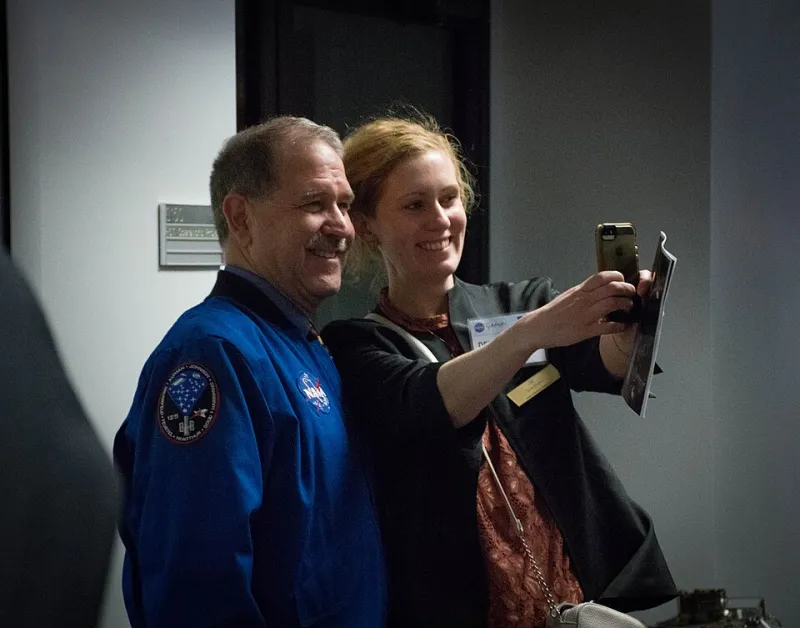
Photo: Datacompiler, CC0, via Wikimedia Commons
The Glow-Up Nobody Asked For
Somewhere between Wendy's becoming a Twitter bully and Miley Cyrus reclaiming her narrative through a strategically timed "raw" documentary, a new playbook emerged. Call it what it is: the business of performing imperfection. What used to be a PR disaster — the unpolished moment, the emotional overshare, the brand stumble — is now a carefully engineered feature, not a bug.
And honestly? It's working.
America's entertainment and marketing landscape has quietly shifted into a place where the most valuable thing a celebrity, influencer, or corporation can project isn't polish — it's the appearance of not having any. The question worth asking is why, and more importantly, what it costs us when authenticity becomes just another line item in a marketing budget.
When "Real" Became a Revenue Strategy
Think back to the era of pristine celebrity. The early 2000s were defined by control — perfectly lit magazine covers, coordinated press tours, and publicists whose entire job was to make sure nothing real ever slipped through. Stars were aspirational precisely because they seemed untouchable.
Then social media happened, and the whole thing flipped.
Audiences started gravitating toward creators who felt accessible — people who filmed themselves crying in their cars, who posted blurry selfies, who admitted their lives weren't a highlight reel. That rawness built genuine loyalty. And the moment brands noticed that loyalty translating to dollars, the corporate mimicry began.
Now we've got multinational companies posting self-deprecating tweets. We've got A-listers doing "no makeup" photo dumps that took three hours and a professional photographer to produce. We've got streaming platforms dropping "behind-the-scenes" content that's been edited, approved, and focus-grouped before it ever reaches your feed. The vocabulary of authenticity has been fully absorbed into the machine that authenticity was supposed to push back against.
The Rebranding Ritual
One of the most reliable moves in the manufactured-chaos playbook is the strategic rebrand — specifically, the kind that leans into a so-called "messy era." A celebrity or brand that's been losing cultural relevance suddenly surfaces with a confession, a pivot, or a very public acknowledgment of their past "mistakes." It's framed as growth. It reads as vulnerability. It functions as a press cycle.
Take almost any major pop star comeback of the last five years. The template is remarkably consistent: a period of deliberate silence, followed by an emotional re-entry that emphasizes personal struggle, followed by a project that conveniently arrives just as the sympathy peaks. The chaos was real, sure — but the timing of sharing it? That's a product launch.
Brands do the same thing. Remember when companies were falling over themselves to post "we hear you" statements during social reckonings? Some of that was genuine accountability. A lot of it was reputation management dressed in the language of humility. There's a version of saying "we messed up" that's about actually changing, and there's a version that's about controlling the narrative. The two can look identical from the outside.
Behind the Behind-the-Scenes
Maybe nothing illustrates this paradox better than the explosion of "BTS" content across every platform. YouTube vlogs. Instagram Stories. TikTok "day in my life" videos. The promise is intimacy — a peek behind the curtain that makes you feel like you know this person or brand.
Except most of that curtain is a set.
The messy kitchen in a celebrity's cooking video was styled. The "candid" moment caught on a phone camera had a second camera crew filming the first one. The brand's "honest" employee takeover was scripted and approved by three departments. None of this is scandalous, exactly — it's just the logical endpoint of an economy where relatability is a commodity. You manufacture what sells.
What's genuinely fascinating is how sophisticated audiences have become at detecting this, and how little it seems to matter. People will acknowledge in one breath that a celebrity's "breakdown" feels performative, then defend it in the next because it still resonated. The emotional response doesn't require the moment to be unscripted. We've essentially agreed, collectively, to accept the simulation.
The Paradox Nobody Wants to Solve
Here's where it gets genuinely complicated: sometimes the performance is the truth. Celebrities are human beings. Brands are run by people. The messy era might be timed and packaged, but the underlying struggle it references can be completely real. The fact that someone figured out how to monetize their pain doesn't automatically mean the pain was fake.
But it does change the relationship between creator and audience. When vulnerability is also a strategy, every emotional disclosure comes with an asterisk. You find yourself watching an artist's tearful interview and running a background calculation: Is this real, or is this the single dropping Friday?
That skepticism has a cost. It erodes the kind of genuine connection that built creator culture in the first place — the stuff that made a random person filming themselves in their bedroom feel more trustworthy than a network television star. As the tools of relatability get industrialized, the actual feeling of relating to someone gets harder to find.
What Comes After Authentic?
If authenticity is now a brand strategy, the only move left is to figure out what authenticity after authenticity looks like. Some creators are already experimenting — leaning into obvious artifice, being transparently commercial, or doubling down on craft and refusing to perform vulnerability at all.
There's something refreshing about a celebrity who just... promotes their project without pretending the promotion is a spiritual journey. Or a brand that's funny without trying to convince you it's your friend. The next frontier of "real" might actually be honesty about the transaction — acknowledging that yes, this is content, yes, someone is getting paid, and the product still stands on its own merits.
Until that shift fully arrives, though, we're living inside the Authenticity Industrial Complex — a place where imperfection is a product, chaos is a content calendar, and the most polished thing in the room is the performance of being unpolished. Keep that in mind next time a brand's "honest moment" lands a little too perfectly in your feed.